
Resource center
Guides to Leasing Warehouse, Flex and Industrial Space
Plain-English guides to what your operation needs from a building and what to negotiate in the lease.
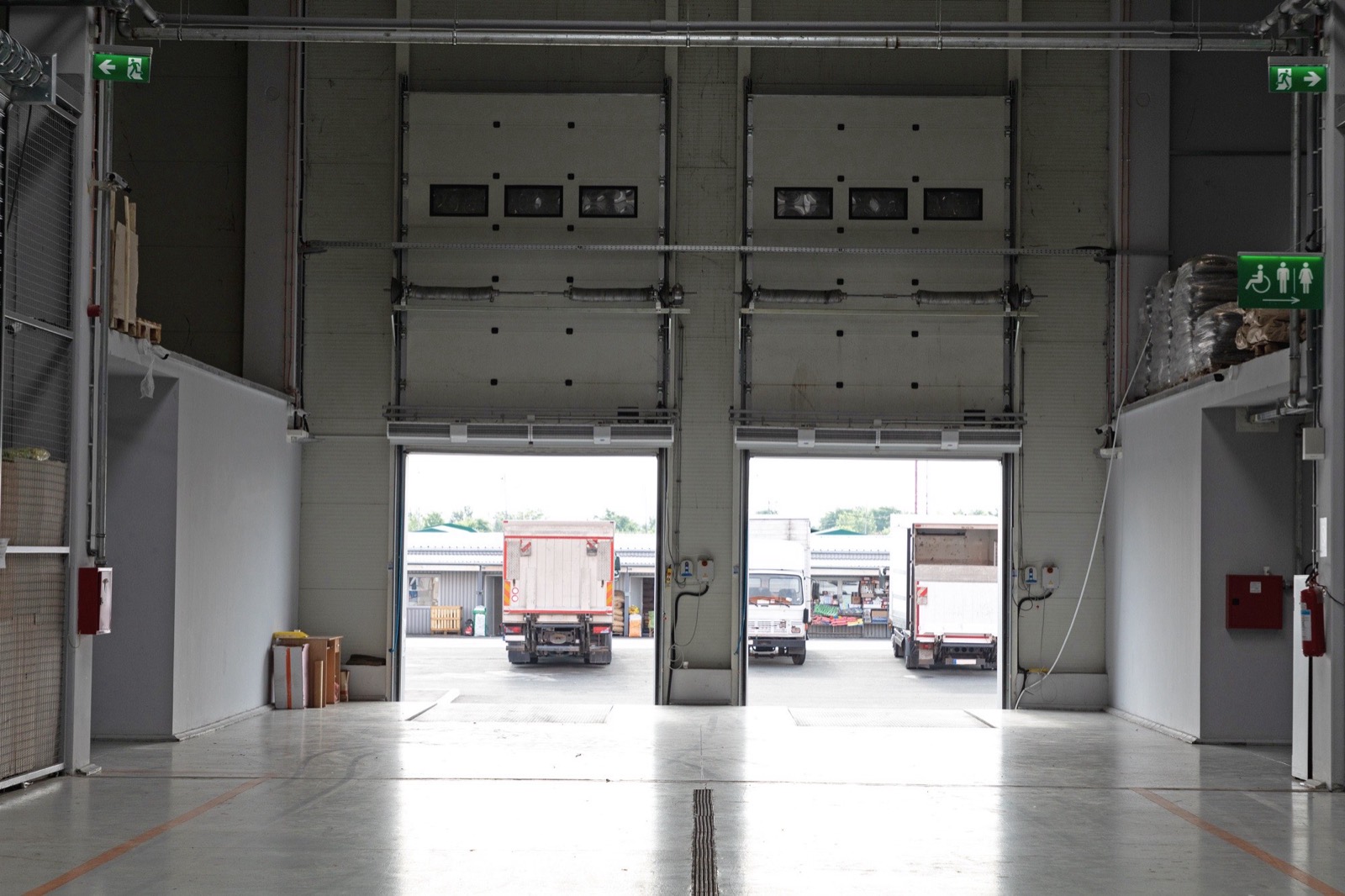
The building has to fit the operation.
In industrial space the wrong clear height, power service or truck court can cost more than the rent difference between two buildings. These guides explain the building specs, the lease terms that matter most and how to compare your options.
Start here
Industrial space, in plain English
Warehouse, flex and light industrial: what they are, how much you need and what it costs to occupy.
Industrial space basics
How Much Warehouse Space Do I Need?
Square footage is the answer at the end of the calculation. It starts with what you store and how it moves.
Read the guide →Industrial Real Estate Glossary: 40 Terms
Forty terms you will meet in listings, tours and lease drafts, defined plainly and grouped by where they come up.
Read the guide →Short-Term Warehouse Space: How It Works
A short agreement can be a lease, a license or a storage contract, and each one gives you different rights when something goes wrong.
Read the guide →Small Warehouse Space: Your Options
Looking for a small warehouse for rent means choosing between four kinds of deal, and the rent is only one of the differences.
Read the guide →3PL or Your Own Warehouse?
This is a decision about control, cost shape and commitment. Real estate is only one part of it.
Read the guide →Warehouse Leases: The Basics
If your only reference point is an office lease, several of the assumptions you bring will be wrong.
Read the guide →Warehouse vs Flex vs Light Industrial Space
The three labels overlap, and one of them is partly a zoning term. Start with what your operation does all day.
Read the guide →What Does Warehouse Space Really Cost to Occupy?
The rent is the easiest number to find and rarely the whole story. This is the list of what else lands on your budget.
Read the guide →What Is Flex Space in Commercial Real Estate?
It is a type of building, not a type of contract, and the difference decides whether you are looking at the right product.
Read the guide →Compare and plan
Building specs and the lease
For companies comparing buildings: docks, power, floors, sprinklers, and the lease terms that matter.
Checking the building
Clear Height in a Warehouse: What It Means
It is the warehouse number that is hardest to change, and the one a marketing sheet can overstate most easily.
Read the guide →Dock-High vs Grade-Level Loading
The right door depends on what arrives at your building, how often, and what it arrives in.
Read the guide →Industrial Zoning: Can You Run Your Business There?
A building can look exactly right and still be in a district that does not allow what you do, or allows it only after a public approval process.
Read the guide →How Much Office Space Belongs in an Industrial Building?
Finished office inside a warehouse is either a useful asset or space you pay for and never use. The difference comes from planning it from your own operation.
Read the guide →Sprinklers, High-Piled Storage and Your Warehouse
A sprinkler system that looks fine on a tour may not protect what you plan to store, how high you plan to store it, or the way you plan to rack it.
Read the guide →Truck Access, Yard Space and Outdoor Storage
A loading door only helps if your largest truck can reach it, turn, wait and leave, and if the lease actually lets you use the yard the way you plan to.
Read the guide →Warehouse Floors: Load Capacity and Slab Questions
A warehouse floor is a structural question that often gets treated as a surface. Racks do not spread their weight evenly.
Read the guide →Warehouse Power: Amps, Volts and Three-Phase
A listing that says "400 amps" has told you half of what you need to know.
Read the guide →The industrial lease
Environmental Clauses in Industrial Leases
An environmental clause is easy to skip because it sits near the back of the lease, and it can outlast the lease by years.
Read the guide →Who Repairs HVAC, Roofs and Docks in an Industrial Lease?
The expensive surprise in an industrial lease usually hides in one word. A duty to repair may also mean a duty to replace.
Read the guide →Racking, Equipment and Surrender in an Industrial Lease
The racking you bolted to the floor on the first day can raise a legal question, a repair bill and a schedule problem on the last.
Read the guide →Subleasing Warehouse Space: What Both Sides Should Check
A warehouse sublease can look quick and inexpensive. It also stacks a second agreement on top of a lease neither party can rewrite alone.
Read the guide →How Triple Net Works in an Industrial Lease
The phrase triple net tells you the general structure. It does not tell you who pays for a new roof, a replaced HVAC unit or a repaved truck court.
Read the guide →Choose and act
Running the search
Ready to move? How to search, tour, choose a broker and decide between leasing and buying.
Running the search
Leasing Industrial Space in Chicago: What Tenants Should Know
A Chicago-area industrial search crosses highways, county lines and many municipalities, and each of those can change the cost and the rules.
Read the guide →How to Choose an Industrial Real Estate Broker
The broker on the sign works for the owner. The first decision is whether you want someone working for you, and the next is how to tell who can do the job.
Read the guide →Lease or Buy an Industrial Building?
Owning can give a stable operation control over a building it depends on. It can also tie capital and risk to one address just as the business needs to change.
Read the guide →Warehouse Tour Checklist
A tour is your chance to test a building against your operation and collect the questions that engineers, officials and the landlord need to answer.
Read the guide →Questions
About this resource center
Who is this resource center for?
Owners, operations leaders and finance teams at manufacturers, distributors, contractors and other companies that need warehouse, flex or light industrial space.
Where should I start?
If you are sizing a first warehouse, begin with the basics. If you are comparing buildings or reviewing a lease, go to the specs and lease guides.
Whom does Tenant Advisory Group represent?
The tenant or buyer. TAG represents the company that will use the building, not the landlord or seller.
Is this legal or tax advice?
No. The guides explain common terms and building features. Have your attorney review any lease, and have qualified engineers and environmental consultants check the building for your use.
Looking for warehouse or industrial space?
Tell us what your operation needs. We represent industrial tenants and buyers.