

Tenant Advisory Group logoTenant Advisory Group

COO & Broker

Diana Himmelstein, PhD

12 years at TAG · 12 years in commercial real estate

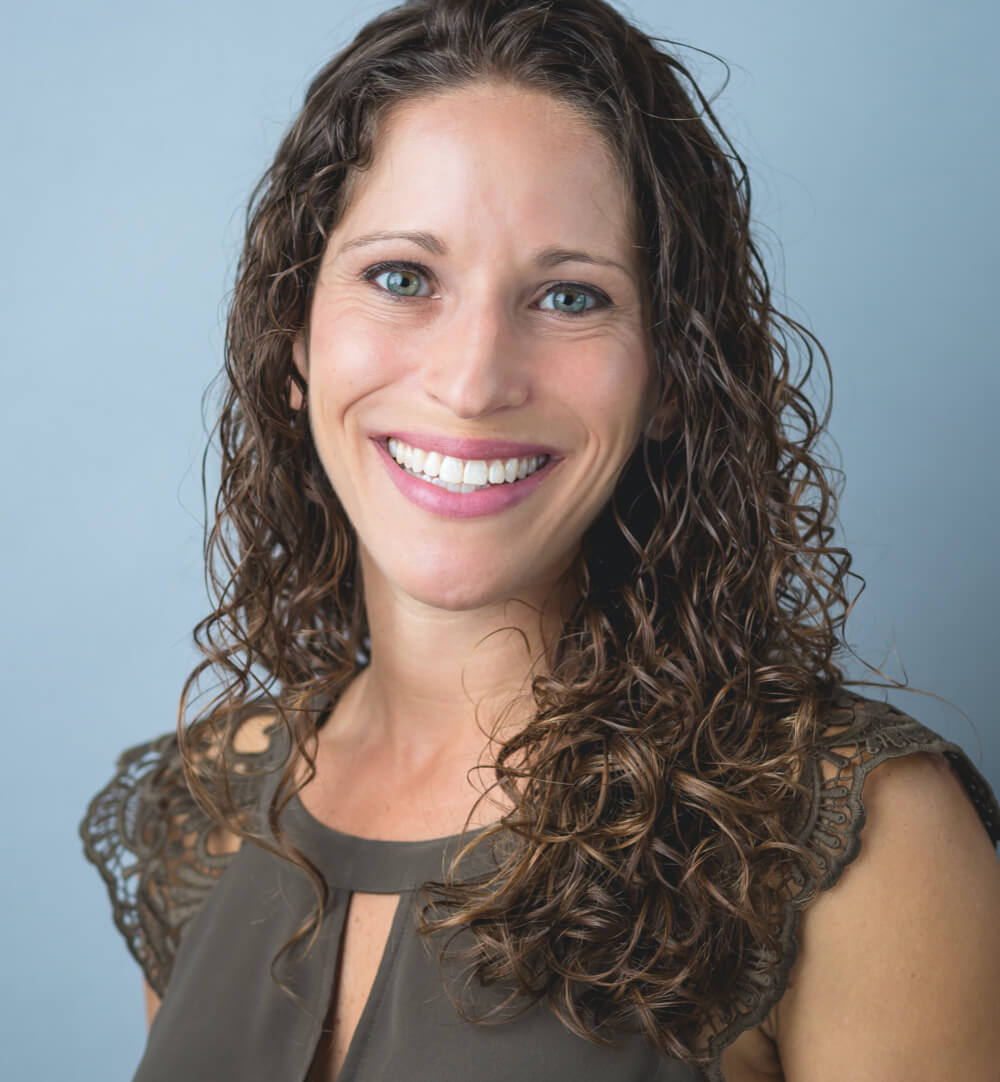
Diana Himmelstein, COO & Broker at Tenant Advisory Group

Diana Himmelstein, PhD

COO & Broker

License
Illinois Broker · #475163730
Education
BA, Biology & Psychology, Bucknell University (2004)PhD, Neuroscience, Northwestern University (2011)Postdoctoral Associate, Northwestern University (2014)Illinois Commercial Broker License & continuing education, IDFPR (2014)
Specialty
Operations, accounting, payroll, invoicing, research, marketing, and broker and client support.

Dr. Diana Himmelstein was raised in the suburbs of Philadelphia. She graduated from Bucknell University with a dual degree in Biology and Psychology and subsequently earned a PhD in Neuroscience from Northwestern University. While science will always be one of Diana’s passions, her eagerness to translate her analytical skills into developing better business strategies and enhancing the client experience led her to join TAG in 2014 as the Director of Operations. Diana is a licensed Real Estate Broker in the state of Illinois. In addition to overseeing daily operations, she works closely with clients to facilitate optimal lease negotiations.

Work worth pointing at

Sale-leasebacks that put struggling businesses back on their feet

In a sale-leaseback a business sells the real estate it owns to an investor and leases the same property back on a long-term agreement, freeing the capital tied up in the building while staying exactly where it is — a balance-sheet boost that also improves operational flexibility and cash reserves. TAG has not only recommended and implemented these for businesses under pressure, but in several cases introduced the owner to the investor who ultimately bought the property.


Memberships & community

Deeply involved with Project I Am, a nonprofit dedicated to helping people experiencing homelessness, and with the parent-teacher council at her children’s school.

Questions clients ask Diana

Why should I hire a tenant representation broker instead of contacting landlords myself?

A tenant representative broker works exclusively on your behalf, helping you find the right space, negotiate the best deal, and avoid costly lease terms. They know the market, understand what landlords are willing to negotiate, and can often uncover opportunities you may not find on your own. Furthermore, even if the tenant negotiates direct, the landlord still pays a full commission to its in-house brokers, they just get to keep the entire fee. Shouldn’t a tenant have an experienced advocate on their side, too?

How is a tenant representation broker paid?

Similar to a residential purchase where the seller pays the fee to both agents, the Landlord pays a commission to both their leasing agent, and also the tenant representative broker. The full fee gets paid regardless, and if the tenant does not have a broker, the Landlord’s agent will keep the entire fee. Therefore, there is no financial benefit to a tenant for not using representation. The Landlord has someone knowledgeable negotiating on their behalf, shouldn’t the tenant?

Do I need to sign an exclusive representation agreement?

Yes. An exclusive representation agreement ensures that we are fully committed to representing you and your best interests throughout the entire process. It allows us to dedicate the time, resources, and expertise needed to identify the right opportunities, negotiate on your behalf, and manage the process from start to finish. It also ensures there is no confusion about who is representing you and that our focus remains solely on your goals.

What is rentable square footage versus usable square footage?

Usable Square Footage (USF) is the actual space a business physically occupies, while Rentable Square Footage (RSF) is the total space they pay rent on, which includes their proportionate share of the building’s common areas.

How much should I budget for tenant improvements?

The out-of-pocket budget depends heavily on the type of property, the specific use, and the Tenant Improvement (TI) allowance negotiated with the Landlord. For example, a landlord at an industrial property might offer little-to-no TI dollars toward the incoming tenant, however, it’s also possible very little modifications are needed. Landlords of large Class A office or medical buildings may provide extremely generous amounts.

Who pays for the office build-out?

It all depends on how the lease is structured. A tenant who cannot afford the large upfront costs for a buildout may be able to negotiate for a higher rent and/or less abatement in order to get more in TI contribution from the Landlord, or possibly even a turnkey buildout. A tenant representative broker will know what is reasonable to ask for, and what is reasonable to achieve.

Ready to talk about your space?

A short conversation is usually enough for us to tell you where the leverage is.